
 Oliver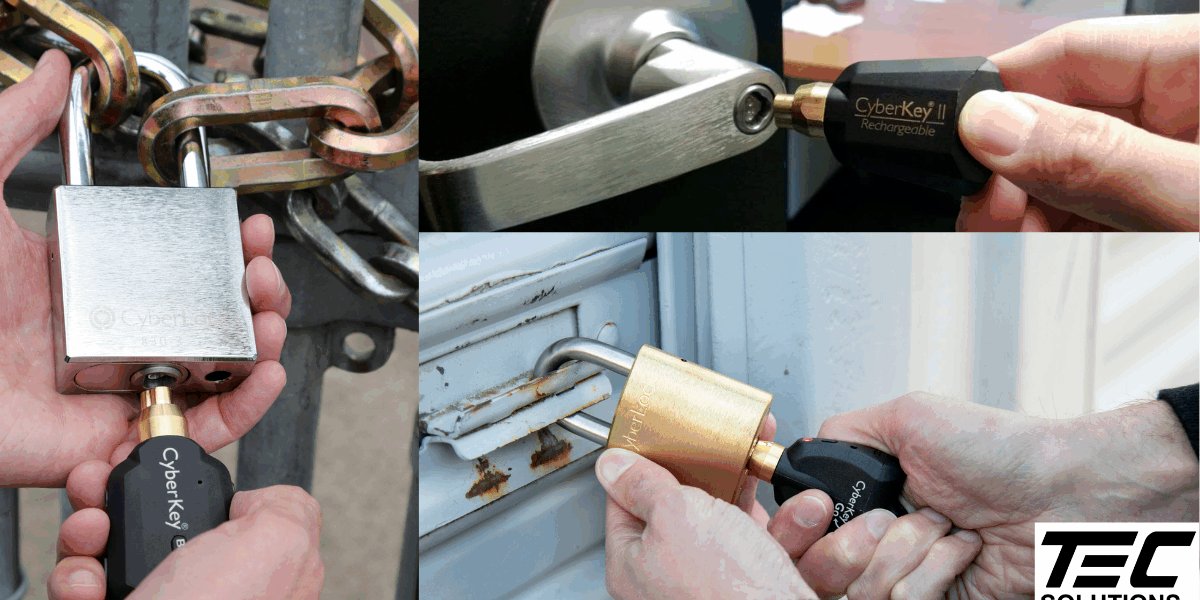
Facility security has changed significantly as organizations manage more employees, contractors, equipment, buildings, and restricted areas. Traditional mechanical locks may still provide a physical barrier, but they offer limited control once a key has been issued. If a key is lost, copied, or retained by someone who no longer needs access, maintaining security can become complicated.
Modern electronic locking technology offers a more manageable approach. CyberLock access control combines electronic locking with programmable access permissions, helping organizations gain greater control over who enters secured areas and when. This approach can be particularly valuable for facilities that want to modernize security without completely changing the way every location is managed.
Moving Beyond The Limitations Of Traditional Keys
Mechanical keys are simple and familiar, but simplicity can become a disadvantage in larger facilities. A single employee may need several keys for offices, storage rooms, gates, cabinets, or equipment areas. Administrators then have to keep track of who possesses each key and whether those keys have been returned.
Lost keys create another concern. Because traditional locks cannot determine who is holding a key, organizations may need to replace or rekey locks to restore confidence in their security.
Electronic access control changes this dynamic by making access permissions manageable. Instead of relying entirely on possession of a physical key, administrators can determine where and when an authorized person is permitted to gain entry.
Greater Control Over Access Permissions
Different people rarely require identical access privileges. A maintenance employee may need access to equipment rooms, while an office worker may only require entry to a particular building. Contractors may need temporary access for a specific project without being allowed into other areas.
CyberLock systems allow organizations to establish access permissions based on operational requirements. Electronic keys can be programmed for designated locks and specific periods, providing a more controlled alternative to distributing unrestricted mechanical keys.
This flexibility can also support changing workforce requirements. When responsibilities change, access permissions can be adjusted accordingly. Organizations can therefore align physical access more closely with each person’s current role.
Better Accountability Across A Facility
One of the biggest differences between conventional locks and electronic access solutions is the ability to create useful access records. A mechanical lock generally provides no information about when it was opened or which authorized user entered an area.
Electronic access activity can provide facility managers with greater visibility. This information may help organizations review access patterns, investigate unusual events, and understand how secured areas are being used.
Accountability is especially useful in environments containing valuable equipment, sensitive materials, critical infrastructure, or restricted operational areas. Knowing that access activity can be tracked may also encourage employees and contractors to follow established security procedures more carefully.
Supporting Facilities With Multiple Security Points
Security becomes increasingly difficult when an organization operates across numerous buildings or geographically dispersed locations. Utility sites, telecommunications infrastructure, warehouses, commercial properties, and industrial facilities may contain locks positioned far from a central office.
Replacing every lock whenever access requirements change can consume considerable time and resources. A programmable electronic key system provides another way to approach this challenge.
Authorized personnel can receive access based on their responsibilities rather than being issued numerous conventional keys. This can simplify key management while maintaining appropriate restrictions around sensitive locations.
Managing Lost Keys More Effectively
Lost keys are one of the most common weaknesses associated with conventional locking systems. When a traditional master key disappears, organizations may have difficulty determining whether it was simply misplaced or could potentially be used for unauthorized entry.
Electronic access management provides more options for responding to this situation. Access associated with an electronic key can be controlled according to system capabilities and established security procedures. This reduces dependence on expensive physical lock changes as the primary response to every lost key incident.
The result is a security strategy that can respond more quickly when personnel or access requirements change.
Balancing Security With Everyday Convenience
Effective security should protect facilities without unnecessarily slowing down legitimate work. Excessively complicated access procedures can frustrate employees and make everyday operations less efficient.
CyberLock access control can help organizations balance these priorities by providing authorized users with appropriate access while maintaining restrictions around sensitive locations. Employees can have permissions that correspond with their duties, while temporary workers and contractors can receive more limited access.
This approach can be especially helpful for organizations where personnel frequently move between different buildings, gates, cabinets, or equipment areas.
Building A More Adaptable Security Strategy
Facility security is rarely static. Employees leave, contractors finish assignments, buildings expand, departments relocate, and security priorities evolve. A locking strategy that works today may become difficult to manage as an organization grows.
Modern access control provides greater flexibility for responding to these changes. Rather than viewing every lock as an isolated security point, organizations can manage access as part of a broader security strategy.
CyberLock access control offers facilities a practical path toward improving key management, accountability, and access flexibility. By combining electronic locking technology with programmable permissions and access records, organizations can move beyond many limitations of traditional keys while preserving convenient physical access for authorized personnel. For facilities managing multiple users, sensitive areas, or distributed locations, this type of modernization can create a security environment that is easier to control, review, and adapt over time.