
 Oliver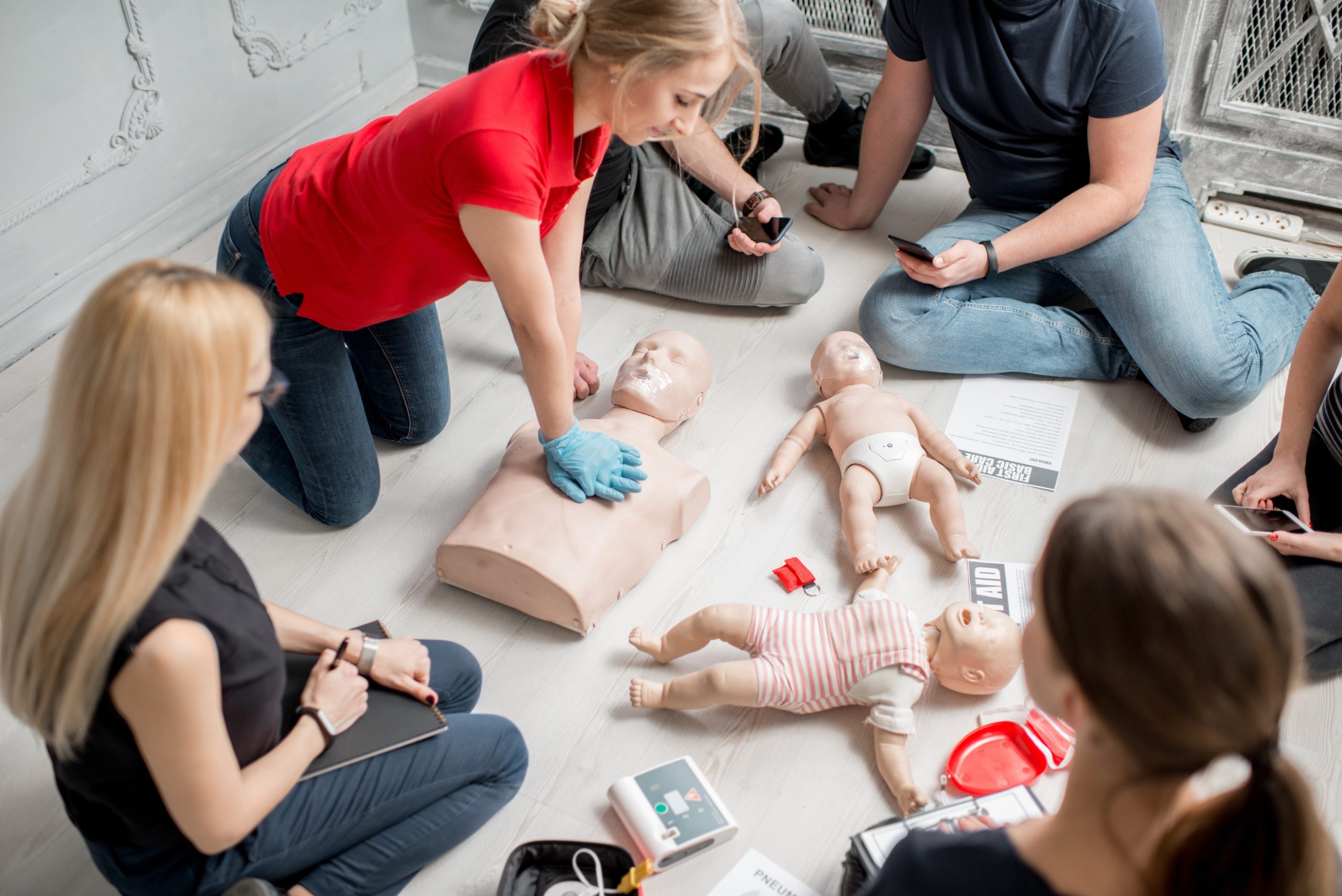
Learning first aid is one of the most practical and empowering decisions anyone can make. Whether you want to improve workplace safety, support your family, or simply be prepared for emergencies, enrolling in a first aid course is a smart step forward. If you are considering a first aid course Morphett Vale, understanding the process and what to expect can help you make the most of your training experience.
Why First Aid Training Matters?
Proficiency in first aid is not limited to medical professions. They are essential life skills that can make a real difference in critical moments. Knowing how to react swiftly and efficiently may help stabilise a person until expert medical assistance comes, whether the injury is minor or life-threatening.
In growing communities, more individuals are recognising the value of being prepared. This awareness has led to increased interest in structured training programs that focus on practical, real-world scenarios.
Choosing The Right Course
When starting out, it is important to select a course that matches your needs and goals. Beginners should look for programs that cover essential topics such as CPR, wound care, burns, choking, and emergency response techniques.
Many providers offer nationally recognised certifications, including units like HLTAID012, which focus on providing first aid in education and care settings. This type of certification is especially useful for teachers, childcare workers, and anyone responsible for the safety of others.
Make sure the course you choose includes both theoretical knowledge and hands-on practice. Practical training ensures that you are confident in applying what you learn during real emergencies.
Understanding Course Structure
Most first aid courses are designed to be flexible and accessible. They often include a combination of online learning and in-person practical sessions. This blended approach allows you to study at your own pace while still gaining valuable hands-on experience.
During the course, you can expect to participate in interactive activities such as role-playing, demonstrations, and simulated emergency scenarios. These exercises help reinforce your understanding and prepare you for real-life situations.
Training sessions are usually conducted by experienced instructors who guide you through each step and provide feedback to improve your skills.
Benefits Of Fast And Practical Learning
One of the key advantages of modern training programs is their efficiency. With options like fast first aid, learners can complete their certification quickly without compromising on quality. This is ideal for busy individuals who need to balance training with work or personal commitments.
Fast-paced courses focus on delivering essential knowledge in a clear and structured way. They prioritise practical skills and ensure that learners are equipped to respond confidently in emergencies.
Despite the shorter duration, these courses maintain high standards and meet all necessary requirements for certification.
Preparing For Enrollment
Before enrolling, it is helpful to consider a few important factors. Start by checking the course schedule and location to ensure it fits your availability. Look for training centres that offer convenient timings and accessible venues.
You should also review the course content and prerequisites. Most beginner courses do not require prior experience, making them suitable for anyone willing to learn. Comfortable clothing is recommended for practical sessions, as you may be required to perform physical activities such as CPR.
Additionally, reading reviews or testimonials can give you insight into the quality of the training provider and the overall learning experience.
What You Will Gain?
Completing a first aid course provides more than just a certificate. It builds confidence, enhances awareness, and equips you with the ability to act decisively during emergencies.
You will learn how to assess situations, prioritise actions, and provide immediate care. These skills are valuable not only in professional settings but also in everyday life. Your instruction may have a long-lasting effect, whether it’s aiding a family member at home or a coworker at work.
Employers also value first aid certification, as it contributes to a safer and more prepared workplace environment.
Continuing Your Learning Journey
First aid training does not end with one course. Skills need to be refreshed regularly to remain effective. Many certifications have validity periods, after which refresher courses are required.
As you gain experience, you may choose to explore advanced training options. These can include specialised courses in emergency response, childcare, first aid, or workplace safety.
Staying updated ensures that your knowledge remains current and aligned with the latest guidelines and practices.
Conclusion
Enrolling in a first aid course is a meaningful step toward personal and community safety. With the right training, you can develop the skills needed to respond confidently in emergencies and potentially save lives. By choosing a course that suits your needs, understanding the structure, and committing to continuous learning, you can make the most of this valuable opportunity. Taking the initiative today can prepare you for the unexpected tomorrow, making you a capable and confident first responder in any situation.