

 Oliver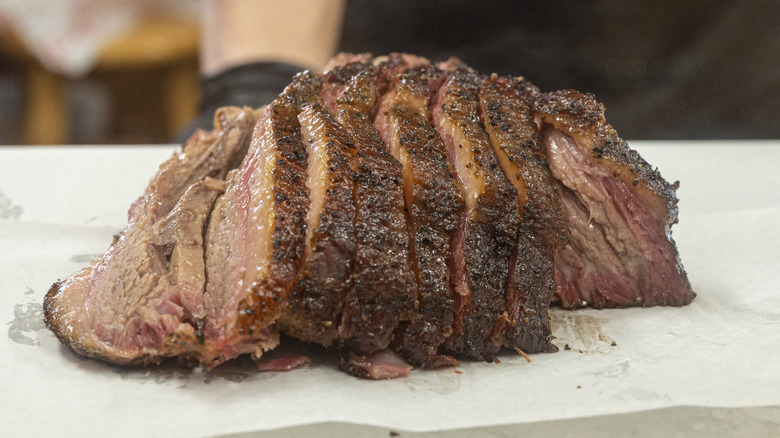
Barbecue culture has developed into more than a cooking style. It has become a culinary tradition deeply connected to patience, craftsmanship, and flavour development. Among the Many dishes associated with barbecue cuisine, brisket continues to hold a special place for food enthusiasts and smokehouse diners alike. Its rich flavour, tender texture, and slow cooking process have made it one of the most respected cuts in barbecue preparation.
Many people exploring barbecue cuisine often begin by asking What is a Brisket, especially because this particular cut has become closely associated with authentic smoked meat experiences and traditional barbecue techniques.
Brisket Represents A Slow-Cooking Tradition.
One reason brisket remains highly respected is its connection to traditional slow cooking methods. In contrast to quick-grilled meats, brisket requires patience, careful heat management, and long cooking times to reach its ideal texture.
This process reflects the craftsmanship associated with authentic barbecue culture. Cooking brisket properly can take several hours because the meat gradually softens while absorbing smoky flavour and retaining moisture.
Barbecue enthusiasts often appreciate brisket because it represents dedication to technique rather than convenience-focused cooking. The slow preparation process becomes part of the experience itself.
Rich Flavour Creates Strong Appeal
Brisket is known for its deep and satisfying flavour profile. The combination of meat texture, natural fat content, and smoke exposure creates a rich taste that stands out from many other barbecue dishes.
During long cooking sessions, the fat within the brisket slowly melts into the meat, helping create tenderness and enhancing flavour throughout the cut. Wood smoke further adds complexity, producing the bold and layered taste that barbecue enthusiasts value.
Texture Rewards Proper Preparation
Texture plays a major role in why brisket is highly regarded within barbecue culture. When cooked correctly, brisket becomes tender while still maintaining structure and moisture.
Achieving this balance requires skill because undercooked brisket may feel tough, while overcooked brisket can become dry and lose texture quality. Barbecue enthusiasts often enjoy the challenge of mastering this process and improving preparation techniques over time.
The satisfaction of serving properly prepared brisket contributes to its lasting popularity among cooks who value precision and patience in barbecue cooking.
Brisket Encourages Culinary Creativity
Although traditional smoked brisket remains highly respected, modern barbecue culture has also introduced creative variations and serving styles. Brisket is now commonly used in sandwiches, tacos, burgers, platters, and fusion dishes that combine different culinary influences.
This versatility allows restaurants and home cooks to experiment while still preserving the traditional identity of the meat. Different seasoning blends, smoking woods, sauces, and side dishes all influence the final experience.
Because brisket adapts well to various preparation styles, it continues to remain relevant within evolving food trends and contemporary barbecue menus.
Smokehouse Culture Strengthens Popularity
Smokehouse restaurants have helped increase global appreciation for brisket by introducing more diners to authentic barbecue experiences. These venues often focus on slow-smoked meats prepared using traditional cooking methods and carefully controlled smoking techniques.
Guests visiting smokehouses frequently associate brisket with premium barbecue craftsmanship because of the time and skill required to prepare it properly. The aroma of smoked brisket, combined with rustic presentation and relaxed dining environments, creates memorable food experiences.
The growth of smokehouse dining culture has therefore played a significant role in maintaining brisket’s popularity.
Barbecue Enthusiasts Value The Process
For many barbecue enthusiasts, brisket is appealing not only because of the final product but also because of the cooking process itself. Preparing brisket requires attention to temperature, timing, smoke control, and resting periods.
This level of involvement turns barbecue into a hands-on experience that many people find rewarding. Enthusiasts often spend hours monitoring smokers, adjusting heat levels, and refining techniques to improve results.
The connection between skill development and cooking enjoyment helps explain why brisket remains highly respected within barbecue communities.
Shared Dining Adds To The Experience
Brisket is also closely associated with social dining experiences. Large cuts are commonly served at gatherings, celebrations, and outdoor events where food becomes part of group interaction and shared enjoyment.
Barbecue culture often emphasises hospitality, conversation, and relaxed dining environments. Brisket fits naturally into this atmosphere because it is typically prepared for sharing and extended meals with others.
The communal nature of barbecue dining further strengthens the emotional connection many people have with brisket.
A Lasting Symbol Of Barbecue Craftsmanship
Brisket continues to remain popular among barbecue enthusiasts because it combines tradition, flavour, texture, and cooking skill into one iconic dish. Its slow preparation process reflects the patience and craftsmanship that define authentic barbecue culture.
As more diners continue asking what is a brisket, the popularity of this classic smoked meat is likely to remain strong within both traditional barbecue communities and modern restaurant dining experiences for years to come.